

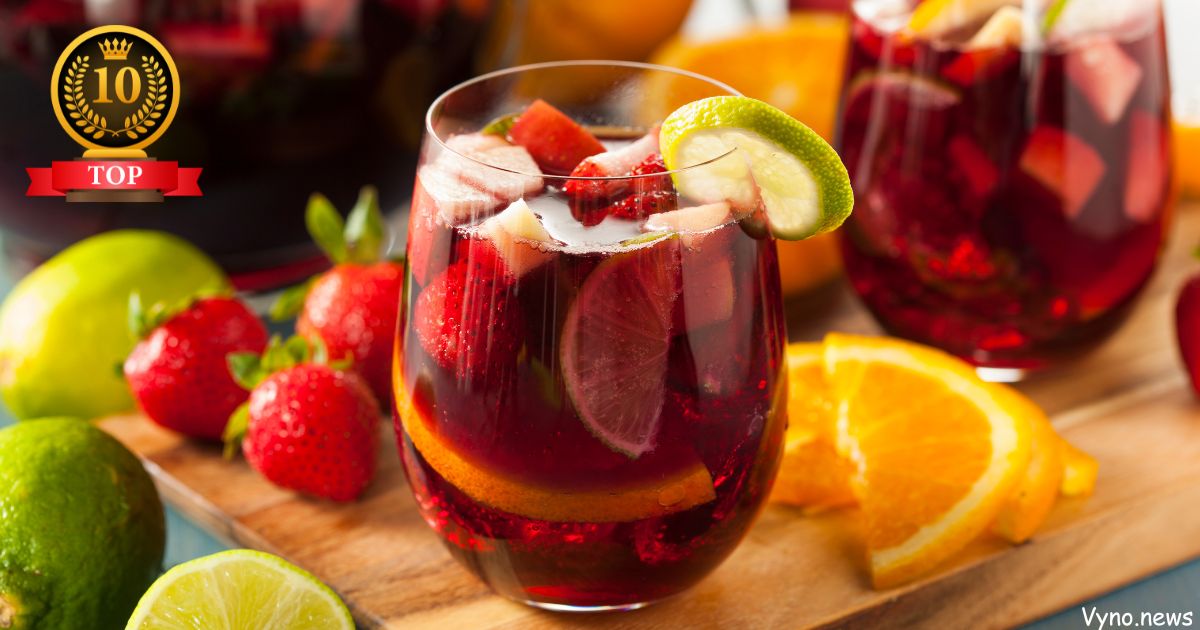
Sangria is a refreshing and fruity drink that is perfect for any occasion. It is traditionally made with red wine, fruit, and spices, but there are many different variations. The type of wine you use can have a big impact on the flavor, so it is important to choose wisely.
For centuries, Sangria has been a treasured beverage due to its deliciousness and versatility. A plethora of flavors can be obtained by combining different fruits and wines when making Sangria , thus giving you endless potential for variation. Let’s not forget how well-suited Sangria is for that summertime barbecue or party, as large quantities can easily be produced and made available at parties or family gatherings.
History of Sangria
Sangria is a traditional Spanish drink that has been around for centuries. The first recorded recipe for Sangria dates back to the 18th century. Sangria was originally made with red wine, fruit, and spices, but it has evolved over time to include a variety of different ingredients.
In the early days, Sangria was often made with leftover wine. The wine would be mixed with fruit, spices, and sometimes even brandy or other spirits. Sangria was often served at room temperature, but it could also be chilled.
It has been theorized that the actual origin of Sangria dates back to Spain during the Roman Empire. The Romans were well known for their deep affection for wine, and it is believed they would frequently combine fruit juices with this beverage prior to its consumption in order to render it sweeter and more agreeable. Additionally, there is another theory that supposes that Moorish invaders from North Africa generated Sangria as a result of introducing Spanish wines with flavors including cinnamon, nutmeg, or oranges, with lemons sweetening up the taste. Whatever its exact origins, one thing is for certain: Sangria has been a favorite among many cultures all over the world since ancient times! It was first acknowledged in literature during the nineteenth century when a Spanish author detailed his experience drinking “Sangre de Cristo” (Blood of Christ) at an inn in Madrid while on holiday from France.
Revealing Top 10 Wines Perfect for Sangria
As Sangria became more popular, it began to be made with different types of wine. White wine, rosé wine, and even sparkling wine were all used to make Sangria. The fruit in Sangria also became more diverse. In addition to traditional fruits like oranges, lemons, and grapes, Sangria began to be made with a variety of other fruits, such as apples, pears, peaches, and berries.
Today, Sangria is popular around the world. It is often served at parties, barbecues, and other gatherings. Sangria is a versatile drink that can be made with a variety of different ingredients. This makes it a great choice for people who want to experiment with different flavors. The original recipe called for red wine combined with sugar, citrus fruits, spices, and honey. Since then, its formula has advanced to include brandy, fruit juices, herbs, and spices as well; thus providing various distinctive flavors of this delightful beverage.
In order to ensure the best possible outcome for one’s Sangria, it is important to select an appropriate variety of wine. Though red wines are more widely utilized due to their robust flavor palette, there are certain white varietals that can also be successfully employed in accordance with desired gustatory preferences. To this end, the compilation has been produced featuring the top ten varietals ideal for creating optimal Sangria—encompassing both red and white varieties—so as to guarantee that any forthcoming batch will instantly become special.
Here are the top 10 wine types for making Sangria:
The Top 10
- Rioja: This Spanish wine is a good all-around choice for Sangria. It is fruity and dry, with good acidity. Its mid-body and firm tannins make it an ideal selection for creating a flavorsome Sangria.
- Tempranillo: Another Spanish wine, tempranillo is a full-bodied wine with flavors of plums, cherries, and spices.
- Grenache: This French wine is a good choice for those who prefer a lighter Sangria. It is fruity and has a slight sweetness.
- Zinfandel: This California wine is known for its bold flavors. It is a good choice for those who want a Sangria with a bit of a kick. This varital offers jammy raspberry flavors in addition to a moderate tannic.
- Malbec: This full-bodied wine is well renowned for its rich blackberry, chocolate, and tobacco tones, along with its moderate levels of tannin. This combination brings powerful flavors to any Sangria recipe that you create; the best options being those from Argentina or France.
- Pinot Noir: This light-bodied wine is a good choice for those who want a refreshing Sangria. It has flavors of strawberries, raspberries, and cherries. This light-bodied wine makes it the perfect choice if you are after something more subtle in your Sangria.
- Rosé: This pink wine is a good choice for those who want a lighter Rosé Sangria. It has flavors of watermelon, strawberries, and raspberries.
- Chardonnay: This white wine is a good choice for those who prefer a sweeter Sangria. It has flavors of apples, pears, and citrus fruits.
- Sauvignon Blanc: This white wine is a good choice for those who want a crisp and refreshing Sangria. It has flavors of grapefruit, lime, and herbs.
- Verdejo: This Spanish white wine is a good choice for those who want a fruity and aromatic Sangria. It has flavors of citrus fruits, herbs, and flowers.
Obviously, Sangrias will rely upon one’s taste preferences, here at Vyno News we’ve tried many variations, even some that didn’t quite make it on the Top 10 list, including; Italian Chianti, Spanish Mourvèdre, French Beaujolais Nouveau, the spicy Australian Shiraz and the The ‘king’ of red grapes, Cabernet Sauvignon; all of these also impart strong flavors that can withstand any additional fruit juices or liqueurs.
Tips to Enhance Flavor of Your Homemade Sangria
The traditional recipe calls for red wine to be blended with some sort of sweetener, such as orange juice or other citrus fruits, as well as an optional addition of brandy or liqueur. Although it is possible to make a Sangria utilizing any type of wine, particular wines are more adept at providing desirable flavor profiles than others. In order to improve the taste of homemade Sangria, it is recommended that one use a good quality medium-bodied red wine such as Merlot or Cabernet Sauvignon since they possess more flavor complexity than lighter wines like Pinot Noir. Furthermore, one should strive for balance in terms of sweet and tart flavors; an excess amount of either can be detrimental to the overall flavor profile.
A combination of freshly-squeezed orange juice and a simple syrup (equal parts sugar and water boiled until it is dissolved) is usually effective in achieving an ideal balance between sweetness and tartness for one’s Sangria recipe. Moreover, the inclusion of fresh herbs such as mint or thyme can give additional complexity to the drink while spices like cinnamon or cloves provide an alternate take on conventional recipes. Allowing your Sangria to sit in the refrigerator overnight will result in a smoother-tasting drink, as it allows all flavors to blend together nicely.
To add further kick and complexity of flavor, adding a splash or two (or more!) of liqueur such as brandy, Cointreau or Grand Marnier enhances its taste without overpowering it entirely. Finally, topping each glass off with seasonal fruit like oranges, apples, cherries, or grapes adds additional layers of flavor whilst providing extra color and visual appeal which makes for an even more enjoyable sip every time!
There are a few things you can do to enhance the flavor of your Sangria:
⦁ Use a good quality wine. The better the wine, the better the Sangria will taste.
⦁ Use ripe fruit. The fruit should be sweet and juicy.
⦁ Add spices. Spices like cinnamon, cloves, and nutmeg can add depth and complexity to the flavor of Sangria.
⦁ Let the Sangria sit for a while. This will allow the flavors to blend together and develop.
The Ultimate Sangria Recipe
Finally, its time to reveal how to make Sangria – the ultimate Sangria recipe:
Ingredients
The following list a standard list of of Sangria Ingredients
⦁ 1 bottle of red wine
⦁ 1 cup of orange juice
⦁ 1 cup of lemon juice
⦁ 1 cup of brandy
⦁ 1/2 cup of sugar
⦁ 1/2 cup of chopped fruit (such as oranges, lemons, grapes, apples, and pears)
⦁ 1/4 cup of chopped fresh herbs (such as mint, rosemary, and thyme)
⦁ Ice
Instructions
⦁ Combine all of the ingredients in a pitcher.
⦁ Stir to combine.
⦁ Chill for at least 30 minutes.
⦁ Serve over ice.
⦁ This recipe is just a starting point. You can experiment with different fruits, spices, and herbs to create your own unique Sangria.
You can find another great recipes here at one of our favorite sites: 11 Red, White, and Rosé Sangria Recipes
Are you an enthusiast of Sangria? Then let us know what you think the best sangria recipe recipe for this delectable beverage is! Whether it be a traditional one or an exotic variation, we would love to here all about it. Demonstrate your mixology expertise and inform us about the excellent combination of ingredients for making delicious Sangria. There is no wrong answer in regards to taste – do not hesitate providing us with your secrets today!