
• Home
  • About
  • Get Jnews
  • Contact Us
Thursday, February 19, 2026
Vyno News
No Result
View All Result
  • Login
  • News
    • Global News
    • Market Updates
    • Breaking Stories
  • Regions
    • Old World
    • New World
    • Emerging Regions
  • Vineyards
    • Harvest Reports
    • Growers & Estates
    • Viticulture Practices
  • Insights
    • Trends
    • Market Analysis
    • Distribution
  • Sustainability
    • Organic
    • Biodynamic
    • Climate Impact
  • Innovation
    • Winemaking Tech
    • E-Commerce
    • Apps & Tools
  • Education
    • Wine Basics
    • Wine & Food
    • Certifications
  • Lifestyle
    • Food Pairings
    • Wine Travel
    • Culture
    • Events
      • Wine Festivals
      • Trade Fairs
      • Masterclasses
  • Reviews
    • Red Wines
    • White Wines
    • Collectors’ Picks
  • Profiles
    • Winemakers
    • Sommeliers
    • Rising Voices
  • Opinion
    • Editorials
    • Guest Columns
    • Debates
  • News
    • Global News
    • Market Updates
    • Breaking Stories
  • Regions
    • Old World
    • New World
    • Emerging Regions
  • Vineyards
    • Harvest Reports
    • Growers & Estates
    • Viticulture Practices
  • Insights
    • Trends
    • Market Analysis
    • Distribution
  • Sustainability
    • Organic
    • Biodynamic
    • Climate Impact
  • Innovation
    • Winemaking Tech
    • E-Commerce
    • Apps & Tools
  • Education
    • Wine Basics
    • Wine & Food
    • Certifications
  • Lifestyle
    • Food Pairings
    • Wine Travel
    • Culture
    • Events
      • Wine Festivals
      • Trade Fairs
      • Masterclasses
  • Reviews
    • Red Wines
    • White Wines
    • Collectors’ Picks
  • Profiles
    • Winemakers
    • Sommeliers
    • Rising Voices
  • Opinion
    • Editorials
    • Guest Columns
    • Debates
No Result
View All Result
Vyno News
No Result
View All Result
Home News

Organic vs. Biodynamic Wine: The Ultimate Guide to Sustainable Winemaking

Understanding the Key Differences Between Organic and Biodynamic Wines

Editor by Editor
February 23, 2025
in News
0 0
0
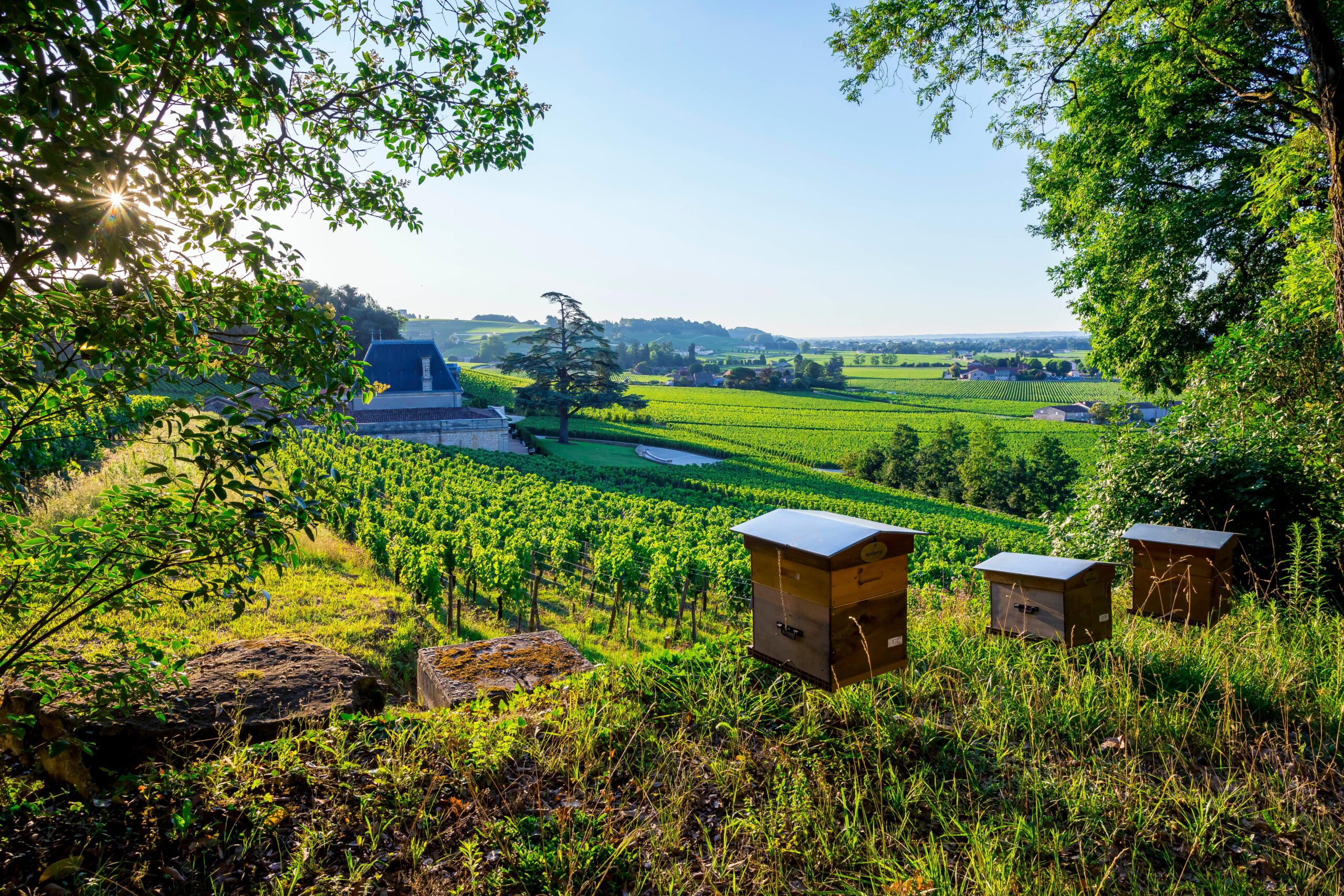
Beehives at the biodynamic and organic wine-growing estate château de fonplegade in saint-émilion, southwestern france, overlooking lush vineyards under a clear blue sky.

A serene view of beehives nestled among the vineyards at Château de Fonplegade, a certified organic and biodynamic wine estate in Saint-Émilion, France.

11
VIEWS
Share on FacebookShare on TwitterShare on LinkedIn

READ ALSO

The Best Biodynamic Wines to Try in 2025

Biodynamic Winemaking Techniques: A Guide to Natural Wine Production

A side-by-side comparison of an organic vineyard and a biodynamic vineyard, highlighting sustainable farming differences of organic vs. Biodynamic. The organic vineyard has composted soil and natural pest control, while the biodynamic vineyard features grazing sheep, cover crops, and cosmic influences.
A split-screen view of organic and biodynamic vineyards, showcasing their unique farming methods and sustainability practices.

Introduction

When it comes to sustainable winemaking, the debate between organic vs biodynamic wine continues to grow. Both methods focus on natural farming and chemical-free viticulture, but biodynamic wine takes sustainability further by treating vineyards as self-sustaining ecosystems, integrating lunar cycles and specialized soil preparations.

But how do these two wine styles really differ? And which one should you choose? In this guide, we break down the five key differences between organic vs biodynamic wine, covering their farming practices, certifications, and impact on quality.


1. Farming Practices: Organic vs Biodynamic Methods

Both organic and biodynamic winemaking prohibit synthetic pesticides, herbicides, and chemical fertilizers, but their approach to soil health and biodiversity differs significantly.

Organic Wine Farming

✅ Uses compost, natural fertilizers, and crop rotation to maintain soil health.
✅ Encourages cover crops and natural pest control (ladybugs, birds, beneficial insects).
✅ Allows the use of copper sulfate as a fungicide (though in limited amounts).
✅ Focuses on vineyard health but does not incorporate cosmic or lunar influences.

Biodynamic Wine Farming

✔️ Includes all organic practices but goes beyond them.
✔️ Uses biodynamic preparations (e.g., cow horns filled with compost buried in soil).
✔️ Follows lunar and cosmic cycles for vineyard activities.
✔️ Promotes holistic vineyard self-sufficiency, integrating livestock, natural yeasts, and minimal interventions.

Key takeaway: Biodynamic farming is stricter and more holistic than organic farming.


2. Certification Differences

Both organic and biodynamic wines require strict certification processes, but biodynamic certification is more complex.

Organic Wine Certification

  • Europe: Labeled as “EU Organic” with strict regulations.
  • USA: Must be USDA Organic Certified, meaning no synthetic chemicals.
  • Other Labels: Some organic wines carry Ecocert or Soil Association approval.

Biodynamic Wine Certification (Demeter)

  • Demeter International is the gold standard for biodynamic certification.
  • Requires biodynamic farming practices, lunar-cycle planting, and natural composting techniques.
  • Enforces strict, all-natural winemaking standards (e.g., no commercial yeast, limited sulfites).

Key takeaway: While organic certification focuses on chemical-free farming, biodynamic certification covers entire vineyard health, cosmic influences, and soil vitality.


3. Winemaking & Additives

A major distinction between organic and biodynamic wines is what happens after the grapes are harvested.

Organic Wine Winemaking

✅ May allow minimal additives, including yeasts and some sulfites.
✅ Fermentation can include commercial yeast strains.
✅ Fining agents like egg whites and bentonite clay are permitted.

Biodynamic Wine Winemaking

✔️ Native yeast fermentation only—no lab-grown strains allowed.
✔️ Strict sulfite limitations (far lower than organic wines).
✔️ No artificial stabilizers, additives, or flavor enhancements.

Key takeaway: Biodynamic wines are typically less manipulated and more natural than organic wines.


4. Sustainability & Soil Health

Biodynamic winemaking is arguably the most sustainable approach in modern viticulture.

Organic Sustainability Practices

✅ Encourages soil health through composting and natural fertilizers.
✅ Reduces carbon footprint by avoiding synthetic chemicals.
✅ Uses cover crops to prevent soil erosion.

Biodynamic Sustainability Practices

✔️ Zero waste philosophy—farms are completely self-sustaining.
✔️ No reliance on external fertilizers—everything is generated on-site.
✔️ Encourages biodiversity by planting trees, flowers, and supporting local wildlife.

Key takeaway: Biodynamic wine goes beyond sustainability to create a closed-loop ecosystem within the vineyard.


5. Price & Market Demand

Since biodynamic winemaking is more labor-intensive and requires stricter standards, these wines are often more expensive than organic wines.

Organic Wine Pricing & Availability

✅ Found in all price ranges, from budget to premium.
✅ Widely available in supermarkets, wine shops, and online retailers.
✅ Can be mass-produced while maintaining certification.

Biodynamic Wine Pricing & Availability

✔️ Tends to be premium-priced due to labor-intensive farming.
✔️ More common in small-production, artisanal wineries.
✔️ Often associated with high-end, terroir-driven wines.

Key takeaway: Biodynamic wines are more exclusive and expensive, while organic wines are easier to find and more affordable.


Final Thoughts: Which One Should You Choose?

Both organic and biodynamic wines are fantastic options for eco-conscious consumers, but they cater to different priorities:

🥂 Choose organic wine if:
✅ You want an affordable, chemical-free wine with minimal additives.
✅ You prefer wines with a familiar, conventional production process.

🍷 Choose biodynamic wine if:
✔️ You seek minimal-intervention, terroir-driven wines.
✔️ You appreciate natural farming, lunar cycles, and holistic sustainability.

Ultimately, the best choice comes down to personal preference, philosophy, and taste.

🍇 Want to explore some of the best biodynamic wines? Check out our latest guide: The Best Biodynamic Wines to Try in 2025.

References & Further Reading

📌 Demeter International – The Official Biodynamic Certification
🔗 https://www.demeter.net
“The leading global certifying body for biodynamic farming, ensuring wines meet strict biodynamic agricultural standards.”

📌 USDA Organic – What Qualifies as Organic Wine?
🔗 https://www.ams.usda.gov/services/organic-certification
“An official guide from the U.S. Department of Agriculture explaining the standards for organic wine production.”

📌 Wine Spectator – Biodynamic vs Organic Wine: What’s the Difference?
🔗 https://www.winespectator.com
“A detailed breakdown of how biodynamic and organic wines differ in farming, winemaking, and certification.”

📌 Decanter – The Pros and Cons of Biodynamic and Organic Wine
🔗 https://www.decanter.com
“A side-by-side comparison of organic and biodynamic winemaking, including expert opinions on the benefits of each.”

📌 Jancis Robinson – Organic vs Biodynamic Wine: Which One is Better?
🔗 https://www.jancisrobinson.com
“An analysis of the effectiveness of biodynamic and organic practices in modern winemaking.”

📌 Burghound – The Impact of Organic and Biodynamic Farming on Wine Quality
🔗 https://www.burghound.com
“A look at how organic and biodynamic viticulture influences Burgundy’s most prestigious wines.”

📌 Organic Wine Journal – Understanding Biodynamic and Organic Certification
🔗 https://www.organicwinejournal.com
“An in-depth exploration of certification requirements, farming practices, and consumer preferences.”

📌 The Biodynamic Federation – Certified Biodynamic Wine Producers
🔗 https://www.biodynamic-federation-demeter.org
“A list of wineries that are certified biodynamic, providing insights into their sustainable practices.”

📌 Vivino – Comparing Organic and Biodynamic Wines Based on Consumer Reviews
🔗 https://www.vivino.com
“Real consumer feedback and ratings comparing organic and biodynamic wines from around the world.”

📌 European Union Organic Certification – Rules for Organic Winemaking
🔗 https://ec.europa.eu/agriculture/organic
“An official EU guide to organic wine production, labeling, and regulations.”
Related Posts

A selection of biodynamic wines on display at wrights emporium in llanarthne, carmarthenshire, wales, showcasing a variety of sustainable and organic wine options.
News

The Best Biodynamic Wines to Try in 2025

February 23, 2025
Sheep grazing in the biodynamic block of the benches vineyard in horse heaven hills ava, columbia valley, washington, as part of sustainable vineyard management.
News

Biodynamic Winemaking Techniques: A Guide to Natural Wine Production

February 23, 2025
A wooden case filled with domaine leflaive puligny-montrachet grand cru bottles from the 2020 vintage, showcasing high-end biodynamic white burgundy wines.
News

Domaine Leflaive Wines: A Biodynamic Icon in Burgundy

February 23, 2025
A rooster roaming freely in a biodynamic vineyard in volnay, côte d'or, france, at michel lafarge’s estate. This vineyard follows biodynamic principles, part of the unesco-listed climats, terroirs of burgundy.
News

Biodynamic Farming: 5 Ways It’s Transforming Sustainable Businesses

February 23, 2025
What is the sweetest wine
News

Decoding the 6 Wine Sweetness Levels: A Comprehensive Guide

July 25, 2023
Sangria top 10 wines
News

The Ultimate Sangria Guide: Top 10 Wine Types, History, and Recipe

July 19, 2023

About

We bring you the best Premium WordPress Themes that perfect for news, magazine, personal blog, etc. Check our landing page for details.

Follow us

Categories

  • News

Recent Posts

  • Organic vs. Biodynamic Wine: The Ultimate Guide to Sustainable Winemaking
  • The Best Biodynamic Wines to Try in 2025
  • Biodynamic Winemaking Techniques: A Guide to Natural Wine Production
  • Domaine Leflaive Wines: A Biodynamic Icon in Burgundy

Newsletter

  • Buy JNews
  • Landing Page
  • Documentation
  • Support Forum

© 2025 Vyno News - Wine Industry News and Insights by Vyno News.

Welcome Back!

Login to your account below

Forgotten Password?

Retrieve your password

Please enter your username or email address to reset your password.

Log In
Manage Consent
To provide the best experiences, we use technologies like cookies to store and/or access device information. Consenting to these technologies will allow us to process data such as browsing behavior or unique IDs on this site. Not consenting or withdrawing consent, may adversely affect certain features and functions.
Functional Always active
The technical storage or access is strictly necessary for the legitimate purpose of enabling the use of a specific service explicitly requested by the subscriber or user, or for the sole purpose of carrying out the transmission of a communication over an electronic communications network.
Preferences
The technical storage or access is necessary for the legitimate purpose of storing preferences that are not requested by the subscriber or user.
Statistics
The technical storage or access that is used exclusively for statistical purposes. The technical storage or access that is used exclusively for anonymous statistical purposes. Without a subpoena, voluntary compliance on the part of your Internet Service Provider, or additional records from a third party, information stored or retrieved for this purpose alone cannot usually be used to identify you.
Marketing
The technical storage or access is required to create user profiles to send advertising, or to track the user on a website or across several websites for similar marketing purposes.
  • Manage options
  • Manage services
  • Manage {vendor_count} vendors
  • Read more about these purposes
View preferences
  • {title}
  • {title}
  • {title}
Manage Consent
To provide the best experiences, we use technologies like cookies to store and/or access device information. Consenting to these technologies will allow us to process data such as browsing behavior or unique IDs on this site. Not consenting or withdrawing consent, may adversely affect certain features and functions.
Functional Always active
The technical storage or access is strictly necessary for the legitimate purpose of enabling the use of a specific service explicitly requested by the subscriber or user, or for the sole purpose of carrying out the transmission of a communication over an electronic communications network.
Preferences
The technical storage or access is necessary for the legitimate purpose of storing preferences that are not requested by the subscriber or user.
Statistics
The technical storage or access that is used exclusively for statistical purposes. The technical storage or access that is used exclusively for anonymous statistical purposes. Without a subpoena, voluntary compliance on the part of your Internet Service Provider, or additional records from a third party, information stored or retrieved for this purpose alone cannot usually be used to identify you.
Marketing
The technical storage or access is required to create user profiles to send advertising, or to track the user on a website or across several websites for similar marketing purposes.
  • Manage options
  • Manage services
  • Manage {vendor_count} vendors
  • Read more about these purposes
View preferences
  • {title}
  • {title}
  • {title}
No Result
View All Result
  • Homepages
    • Home Page 1
  • Sustainability
  • Insights
  • Reviews
  • Profiles
  • Vineyards
  • Regions
  • Education
  • Events
  • Lifestyle
  • Opinion
  • Innovation

© 2025 Vyno News - Wine Industry News and Insights by Vyno News.